
 | Proudly Serving the Central Valley | 24/7 On Call Service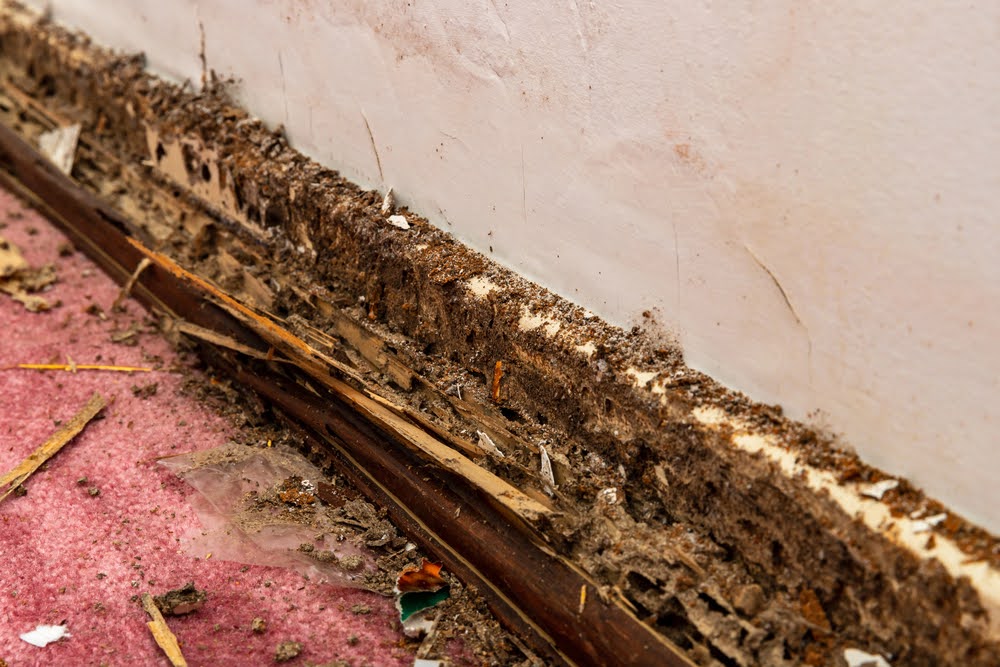
Termites cause over $5 billion in property damage across the U.S. every year, and here in Central California, our warm climate means these pests stay active year-round. The tricky part? Most termite damage happens out of sight, long before homeowners realize there’s a problem.
The good news is that termites leave behind specific warning signs. Knowing what to look for and acting early can help you avoid costly repairs and protect your home’s structure. Below are the most common signs homeowners should never ignore.
The Most Common Signs of Termite Activity
If you’re wondering whether termites have moved into your home, here are the five most reliable warning signs to check for right now:
- Mud tubes on walls or foundation – Pencil-width tunnels made of dirt and wood particles running along your foundation or walls.
- Discarded wings near windows or doors – Small, translucent wings all the same size, often found in piles on windowsills.
- Hollow-sounding wood—When you tap on baseboards or door frames, you hear a hollow echo instead of a solid thud.
- Bubbling or peeling paint – Paint that looks water-damaged even though there’s no leak or moisture source.
- Frass (termite droppings)—Tiny pellets that resemble sawdust or coffee grounds, usually found in small piles near wooden structures.
If you’ve noticed even one of these signs, keep reading. We’ll break down exactly what each one means and where to look.
Why Early Detection Saves You Thousands
Termites can quietly damage your home for months or even years before there are any obvious signs. By the time most homeowners notice visible issues, significant structural damage has often already occurred.
Repair costs typically range from $3,000 to $8,000, and because most homeowners insurance policies don’t cover termite damage, those expenses usually come out of pocket. That’s why early detection matters.
Spotting termite activity early limits how much damage they can cause, reduces repair costs, and helps protect your home’s long-term value. Think of it as a routine health checkup for your house; catching problems early is always easier, safer, and more affordable.
8 Warning Signs of Termites in Your Home
1. Mud Tubes Along Your Foundation or Walls
Mud tubes are one of the clearest signs of subterranean termites. These pencil-width tunnels made of soil, wood particles, and saliva are typically found along foundations, crawl spaces, or basement walls.
Termites use these tubes to travel between their underground colony and your home’s wood while staying protected from air and light. If you find mud tubes, don’t remove them. Leaving them intact helps a professional confirm whether the infestation is active and determine its severity.
2. Discarded Wings Near Doors and Windows
Small piles of wings on windowsills or near doorways are a strong sign that termite swarmers have been present. Swarmers are reproductive termites that shed their wings after landing and searching for a place to form a new colony.
While swarming often happens in spring elsewhere, Central California’s mild climate allows it year-round. The wings are translucent and all the same size. Finding them usually means a mature colony is nearby and actively expanding, which makes an inspection important.
3. Hollow-Sounding Wood
Tap on baseboards, door frames, window frames, or walls using your knuckles or a screwdriver handle. Solid wood produces a firm thud. Wood damaged by termites sounds hollow or papery.
Termites eat wood from the inside out, leaving only a thin outer layer. If wood sounds hollow, significant damage is likely already present. Pay close attention to areas near kitchens, bathrooms, or past leaks where moisture attracts termites.
4. Bubbling or Uneven Paint
Paint that bubbles, peels, or looks uneven without any obvious water source may be hiding termite tunnels beneath the surface. As termites move through wood, the moisture they create can cause paint to lift and blister.
Check baseboards, windowsills, and door frames closely. This sign is easy to dismiss as old paint or moisture damage, but it’s worth a closer look if no leak is present.
5. Frass (Termite Droppings)
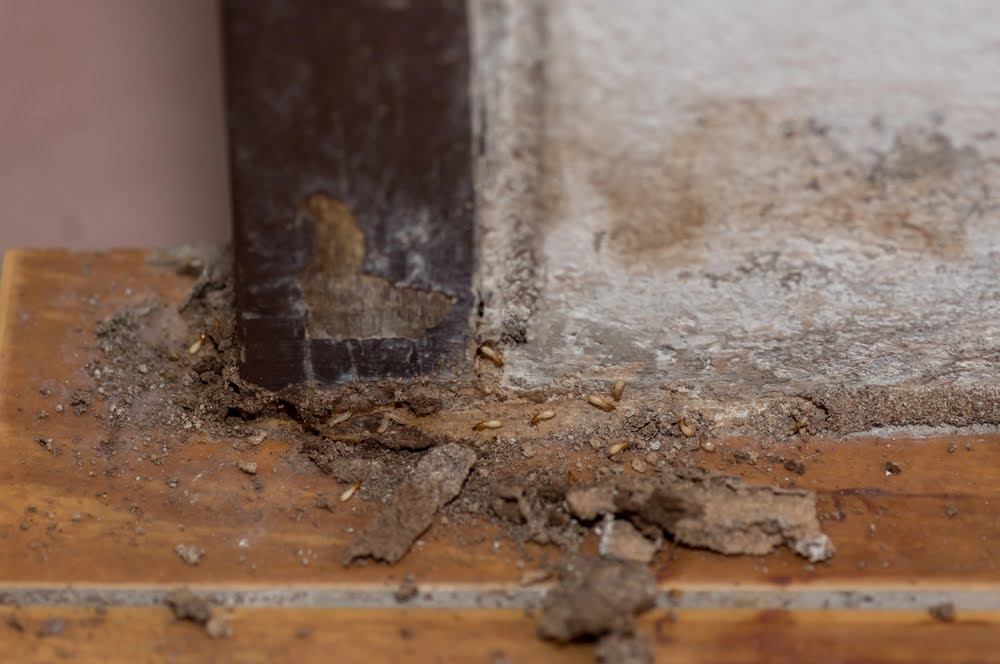
Frass is the waste left behind by drywood termites, which are common in California. It looks like tiny wood-colored pellets, similar to sawdust or coffee grounds, and often appears in small piles near wooden surfaces.
If you repeatedly clean up these piles and they return, it’s a strong sign of active drywood termites pushing waste out through small kick-out holes.
6. Tight-Fitting Doors and Windows
Doors or windows that suddenly stick or won’t open smoothly may be affected by termites. The moisture created as termites tunnel through wood can cause it to warp and swell.
This sign is often overlooked because settling and humidity seem like likely causes. But if the change happens quickly or appears alongside other warning signs, it’s worth investigating.
7. Visible Termite Swarms
Flying insects that resemble ants may actually be termites. In Central California, warm days, especially after rain, can trigger swarming at any time of year.
Termites have straight antennae, equal-length wings, and a thick, straight waist. A visible swarm indicates a mature colony nearby and calls for professional attention.
8. Small Holes in Wood
Tiny pinhead-sized holes in wood surfaces such as trim, beams, furniture, or flooring are known as kick-out holes. Drywood termites use them to expel frass.
You may notice small piles of droppings directly beneath these holes. Don’t fill or cover them before an inspection; they help professionals locate and assess the infestation.
Don’t Make These Termite Detection Mistakes
When it comes to spotting termites, homeowners often make a few common mistakes that let infestations grow worse. First, don’t ignore signs just because they seem minor. That small pile of wings or tiny mud tube represents a much bigger problem developing behind the scenes. Second, don’t assume you’d see the actual termites if you had them. These pests stay hidden inside wood and only come out during swarms or when professionals open up infested areas.
Another mistake? Confusing termites with ants. Flying ants and termite swarmers can look similar at first glance, but the differences in their antennae, wings, and body shape are important. Also, don’t only check inside your home. Your exterior foundation, crawl spaces, and the perimeter of your house is a critical area where termite activity often starts. Finally, don’t wait for visible structural damage before taking action. By the time you can see damage, extensive hidden destruction has likely already occurred.
Found Signs of Termites? Here’s Your Next Step
If you’ve spotted any of these warning signs, take a breath. Finding evidence early is actually good news—it means you can address the problem before major damage occurs. Here’s what to do next: don’t disturb any mud tubes or other evidence before a professional can inspect them. These signs help confirm whether the infestation is active and guide treatment decisions.
Take photos of what you’ve found and make notes about where you spotted the signs. Then schedule a professional termite inspection as soon as possible. A trained eye can assess the extent of the problem and recommend the right treatment plan for your specific situation.
Protect Your Home with Professional Termite Inspection
Spotting the early signs of termites gives you a real advantage. When addressed early, infestations are easier to treat, damage is minimized, and repairs are far less expensive. A professional termite inspection can confirm whether termites are present, identify the type of infestation, and outline the safest, most effective treatment options for your home.
At RidX Pest Control, we’ve been protecting Central California homes from termites for over 25 years. Our inspections are thorough, honest, and designed to give homeowners clarity—not pressure. If you’ve noticed any of the warning signs above, we’re here to help.
Schedule your free termite inspection today and get straightforward answers from a local expert who stands behind their work with a 100% satisfaction guarantee.
