
 | Proudly Serving the Central Valley | 24/7 On Call Service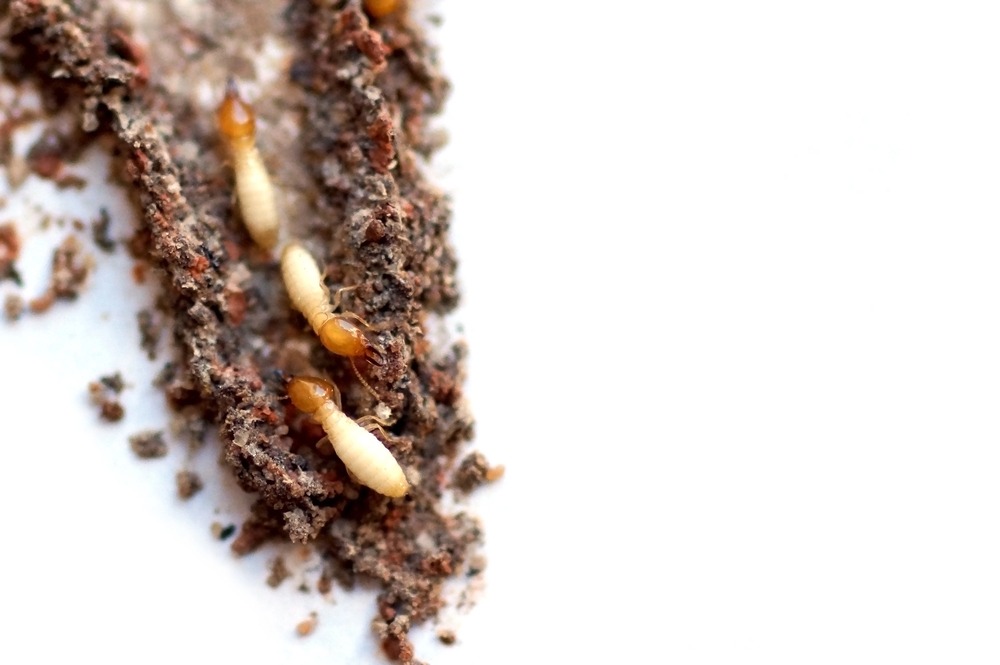
You spot something on your windowsill. A small pile that looks like sawdust. A few tiny wings, paper-thin and scattered. Or maybe a door that suddenly sticks for no obvious reason. Your gut says something is off, but you are not sure what you are looking at.
If that sounds familiar, you are not alone. Termites are one of the most common and most misunderstood pest problems homeowners face. The good news is that most infestations are caught early, as long as you know what to look for. This guide walks you through exactly that.
How to Identify Termites (Quick Answer)
If you are trying to figure out whether you have termites, look for these key signs:
- Discarded wings near windows, doors, or light sources
- Mud tubes along your foundation or walls
- Hollow-sounding or easily damaged wood
- Small piles of frass that look like sawdust or coffee grounds
- Doors or windows that suddenly stick or feel tight
If you notice one or more of these signs, it is worth taking a closer look or scheduling a professional inspection.
What Do Termites Actually Look Like?
Most homeowners never see a live termite. These insects spend almost their entire lives hidden inside wood or underground, which makes them difficult to detect. There are three types you might come across, and each looks slightly different.
Worker Termites
Worker termites are the most common but the least likely to be seen. They are soft-bodied, creamy white or pale yellow, and about the size of a grain of rice. You would typically only spot them if you break open a mud tube or piece of damaged wood.
Soldier Termites
Soldier termites are slightly larger with darker, elongated heads and strong pincher-like jaws. Their job is to defend the colony, and they show up when a nest is disturbed.
Swarmers (Alates)
Swarmers (also called alates) are the ones homeowners most often notice. They are dark brown or black, roughly a quarter to half an inch long, and they have wings. Swarmers are the reproductive members of the colony, and seeing them is one of the clearest signs of a nearby or established infestation.
How Do I Know If This Is a Termite?
A common mistake is confusing termite swarmers with flying ants. Here’s how to tell the difference quickly:
- Wings: Termites have two pairs of wings that are the same length. Flying ants have longer front wings and shorter back wings.
- Antennae: Termite antennae are straight and bead-like. Ant antennae are bent or elbowed.
- Waist: Termites have a broad, uniform waist. Ants have a narrow, pinched waist.
If you find a specimen, dead or alive, these three checks can help you identify it. If you’re unsure, place it in a small bag or jar and show it to a pest control professional for confirmation.
Signs of a Termite Infestation
Termites work silently behind walls, under floors, and inside structural wood. In many cases, damage builds for years before it becomes obvious. These are the warning signs to watch for.
Mud Tubes Along Your Foundation
Mud tubes are one of the most reliable signs of subterranean termites. These pencil-width tunnels run from the soil up to the wood in your home. Check foundation walls, crawl spaces, and areas around plumbing entry points.
Discarded Wings Near Windows and Doors
After swarmers mate, they drop their wings and search for a new nesting spot. Small piles of wings on windowsills or near doors are a strong sign of recent termite activity.
Hollow-Sounding Wood
Termites eat wood from the inside out. Tap on wood surfaces like baseboards or beams. Solid wood sounds dense, while termite-damaged wood sounds hollow or papery.
Frass (Termite Droppings)
Drywood termites leave behind small, pellet-like droppings that resemble sawdust or coffee grounds. These often collect in small piles near tiny holes in wood.
Doors and Windows That Suddenly Stick
As termites tunnel through wood, they introduce moisture that can cause swelling. If doors or windows suddenly become difficult to open, it may be worth investigating further.
Bubbling Paint or Blistered Drywall
Moisture from termite activity can cause paint to bubble or drywall to appear slightly damaged or uneven. This is often mistaken for water damage.
How Can You Test for Termites at Home?
Spotting signs is one thing. Confirming activity is another. Here is a simple three-step check you can do.
Step 1: The Tap Test
Use a screwdriver or solid object to tap wood surfaces around your home. If the wood sounds hollow or the surface gives easily under pressure, there may be internal termite damage.
Step 2: The Mud Tube Check
Inspect your foundation for mud tubes. Break a small section and check again in a few days. If it is repaired, termites are actively using it.
Step 3: The Wing and Frass Sweep
Check windowsills, door frames, and light fixtures. If you find wings or frass, save a small sample. This helps professionals confirm the species and choose the right treatment.
How to Identify a Termite Nest
The location of a termite nest depends on the species, and understanding that difference is key to knowing what to look for.
Subterranean Termites
Subterranean termites build nests underground in moist soil. They travel into your home using mud tubes. The nest itself is rarely visible, but the tubes and damage are clear indicators.
Drywood Termites
Drywood termites nest directly inside wood and do not need soil contact. They are often found in attic beams, furniture, window frames, and walls. Frass is usually the first visible clue.
When to Watch for Activity
In Central California, both species are active, but they swarm at different times of the year.
- Subterranean termites typically swarm in spring, often shortly after a heavy rain.
- Drywood termites tend to swarm in late summer through fall, especially during hot, dry periods between August and October.
If you notice swarmers during either of these windows, it is a strong signal that it is time to take a closer look at your home.
Common Mistakes Homeowners Make
Even small missteps can allow a termite problem to grow unnoticed. These are some of the most common mistakes homeowners make:
Treating for Ants Instead of Termites
Because flying ants and termite swarmers look so similar, it is easy to misidentify them. Many homeowners reach for an ant product and assume the issue is handled. If the identification is wrong, the termite colony continues to grow behind the scenes.
Ignoring Swarmers Outside the Home
Seeing swarmers in your yard does not always mean your home is infested, but it does mean a mature colony is nearby. That colony can easily send new reproductive pairs toward your siding or roof. An outdoor swarm near your home is a good reason to schedule a preventative inspection.
Cleaning Up Wings Too Quickly
Those small, discarded wings are more than just debris. They are useful evidence that helps a pest control professional identify the species and determine the right treatment approach. Removing them too soon can make accurate diagnosis more difficult.
Assuming Hollow Wood Is Just Old or Dry
Wood can sound hollow for several reasons, especially as it ages. But if hollow-sounding wood appears alongside other warning signs, it should not be ignored. It may be a sign of internal termite damage that needs closer inspection.
When It Is Time to Call a Professional
A DIY check is a great starting point. But termite identification has limits when you are working without specialized tools. Professionals use moisture meters to detect activity inside walls, probes to test wood that looks fine on the surface, and decades of experience recognizing signs that are easy to miss.
If you found anything on this list during your walkthrough, or if you just have a feeling something is not right, it is worth getting a professional set of eyes on your home. The earlier a problem is caught, the more manageable and affordable the treatment.
At RidX Pest Control, we have been protecting Central California homes from termites for 25 years. When you call us, you talk directly to the owner, not a call center. We will give you a straight answer about what you are dealing with and what it takes to fix it, backed by our 100% satisfaction guarantee.
Worried you might have termites? Schedule your inspection with RidX today and get peace of mind before the problem gets bigger.
Frequently Asked Questions About Termites
How do I know if this is a termite?
Look at three key features: wings, antennae, and body shape. Termites have equal-length wings, straight antennae, and a thick waist. If you are unsure, save the insect and have a professional confirm it.
What bug is commonly mistaken for termites?
Flying ants are the most common lookalike. They have bent antennae, uneven wings, and a narrow waist, which helps distinguish them from termites.
How can you test for termites at home?
You can do a basic check by tapping wood for hollow sounds, inspecting for mud tubes along your foundation, and looking for discarded wings or frass near windows and doors. These signs can indicate active termite presence.
What are the first signs of a termite infestation?
Early signs include discarded wings, mud tubes, hollow-sounding wood, frass, and doors or windows that suddenly stick. These often appear before major damage is visible.
Where do termites usually nest?
Subterranean termites nest underground in soil, while drywood termites live directly inside wood structures like beams, furniture, and walls.
What kills termites immediately?
Some products can kill termites on contact, but they rarely eliminate the entire colony. Effective treatment usually requires professional solutions that target the source.
Are termites dangerous to humans?
Termites are not harmful to people. They do not bite or spread disease, but they can cause serious structural damage to your home if left untreated.
When should I call a termite professional?
If you notice any signs like mud tubes, swarmers, frass, or hollow wood, it is best to call a professional right away. Early detection can prevent costly repairs.
