 | Proudly Serving the Central Valley | 24/7 On Call Service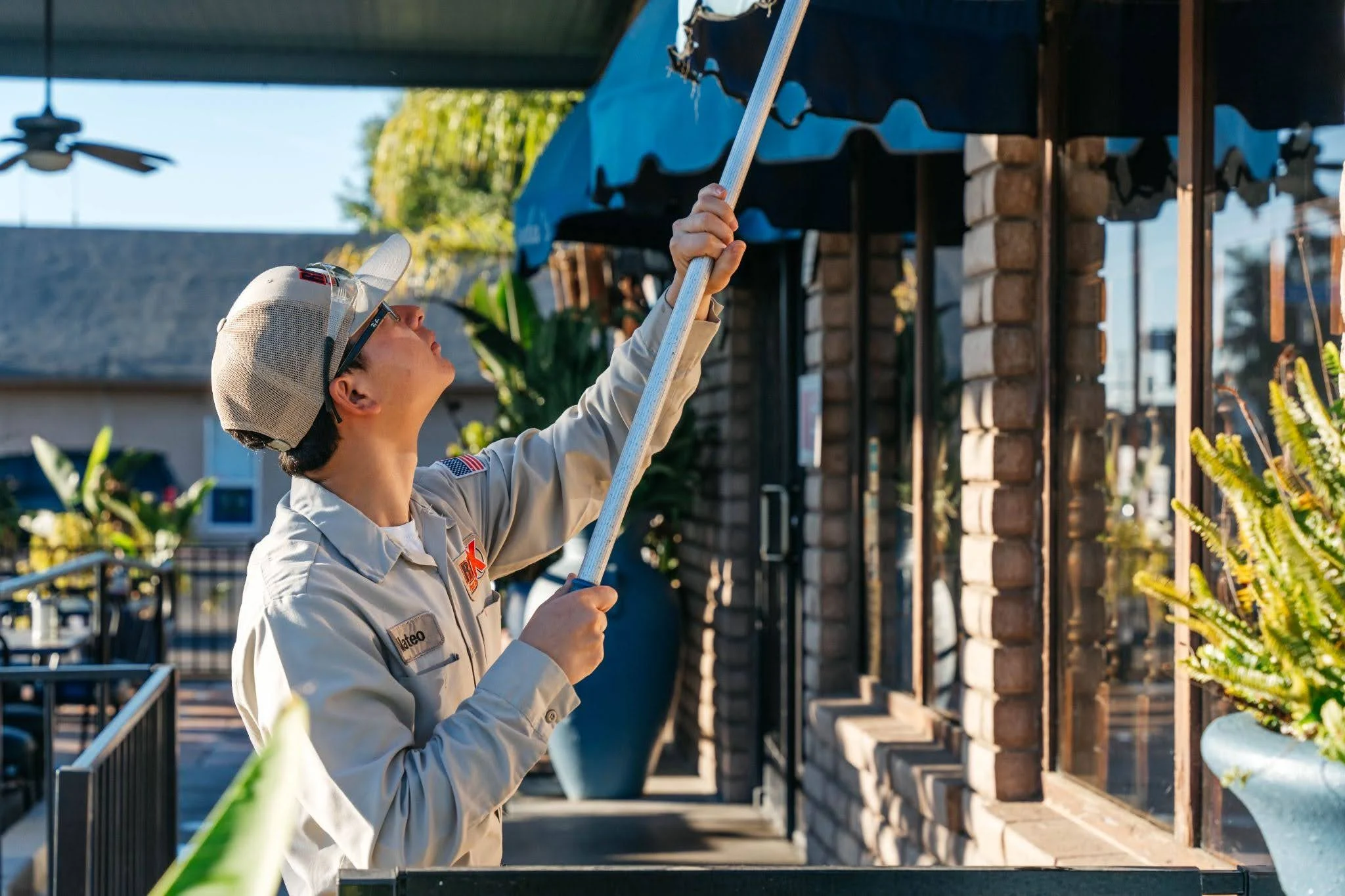
A one-time treatment after spotting ants on the counter feels like a fix, but it addresses a symptom, not the underlying access points and conditions that let pests in — which is exactly why ants, or a version of them, tend to come back within weeks. A recurring plan looks different: scheduled visits, a preventive exterior barrier, and monitoring for early activity before it becomes a visible problem inside the home.
Choosing between a one-time treatment and ongoing residential pest control services really comes down to one question — is the goal to solve what’s visible right now, or to keep it from coming back at all?
What a Standard Residential Plan Actually Covers
Most residential pest control services bundle coverage for the pests homeowners run into most often — ants, spiders, roaches, and other common invaders — under a single recurring visit rather than charging per pest type.
A typical visit includes an exterior treatment around the foundation and entry points, interior spot-treatment where activity is reported, and a quick inspection for conditions — moisture, gaps, clutter — that tend to attract pests in the first place. Some pests, like bed bugs or termites, usually require a separate specialized inspection rather than being folded into a standard recurring visit, since they call for different identification and treatment methods entirely.
How Often Is Actually Necessary
Quarterly service is the most common baseline for Central Valley homes, timed around the seasonal shifts that drive ants indoors during heat waves and rodents indoors during cooler months.
Properties near open land, agricultural fields, or with a history of recurring activity often do better on a monthly or bi-monthly schedule, since the outdoor pest pressure nearby is more constant. The right frequency isn’t about maximizing visits — it’s about matching service intervals to how quickly pest pressure actually rebuilds on a specific property.
What to Ask Before Signing Up for Residential Pest Control Services
A good residential pest control services agreement should spell out exactly what’s covered, whether additional pests trigger an extra charge, and what happens if activity returns between scheduled visits. The EPA’s own guidance for choosing a pest control service specifically recommends getting the guarantee terms and coverage details in writing before signing anything.
It’s worth asking whether the plan includes a re-treatment guarantee between visits at no extra cost, since pest pressure doesn’t always wait for the next scheduled appointment. A provider willing to explain pricing and coverage clearly upfront is generally the same provider that will handle a between-visit callback without friction.
What Happens During Your First Visit
A first visit should start with a walk-through, not a treatment — a technician checking the exterior perimeter, entry points around doors and utility penetrations, and any areas where moisture or clutter create favorable conditions before applying anything.
Exterior treatment typically follows, creating a barrier around the foundation and known entry points, with interior spot-treatment reserved for areas where activity has actually been reported rather than a blanket application throughout the home.
A good first visit ends with the technician explaining what they found, what they treated, and what to expect over the following weeks, not just a receipt and a scheduled follow-up date.
Signs Your Current Plan Isn’t Actually Working
The same pest returning in the same spot between every scheduled visit is the clearest sign that a plan isn’t addressing the actual entry point or condition — more of the same treatment won’t fix a problem the plan hasn’t correctly diagnosed.
A provider unwilling to adjust the plan, add a specific treatment for a newly reported pest, or explain why an issue keeps recurring is a bigger red flag than the pest activity itself.
A working plan should show a visible decline in activity over a few service cycles, not the same treatment repeated at the same interval indefinitely while hoping for a different result.
The Right Plan Beats the Next Emergency Call
Reactive pest control — calling only once something is visibly wrong — almost always costs more over a year than a modest recurring plan that keeps pressure from building in the first place.
If you’re ready to stop treating pests one emergency at a time, call RidX Pest Control at (888) 298-7513 or set up a recurring residential plan built around your Madera, Fresno, or Bakersfield property.
