
 | Proudly Serving the Central Valley | 24/7 On Call Service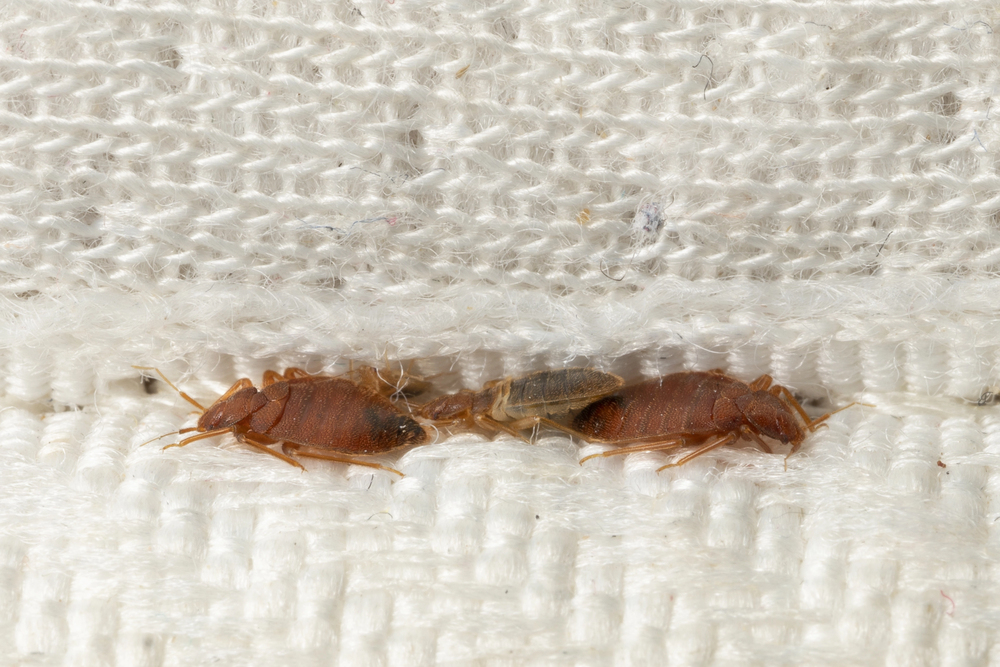
Finding bed bugs in your carpet is one of those moments that makes your skin crawl. It’s stressful, it’s frustrating, and it can feel like the problem is everywhere at once. The good news is that there are real, practical steps you can take today to start treating the problem.
This guide walks you through how to get rid of bed bugs from carpet, what products and methods actually work, and the point at which calling a professional becomes the smarter call. Whether you’re in the middle of an active infestation or trying to stay ahead of one, here’s what you need to know.
How to Get Bed Bugs Out of Carpet
Getting bedbugs out of carpet requires more than just a quick vacuum. These pests hide in carpet fibers, along baseboards, and in the tiny gaps where carpet meets the wall. Because they stay close to the surface, carpets can become a major hiding area during an infestation.
The most effective approach combines several methods. Vacuuming removes active bugs, diatomaceous earth helps eliminate those moving through the carpet, and steam treatment kills bugs and eggs with heat. Consistency is key. Repeating the process weekly helps target newly hatched bedbugs before they reproduce.
If the infestation has already spread beyond the carpet to furniture, walls, or mattresses, professional treatment may be required to fully eliminate the problem.
Can Bed Bugs Actually Live in Carpets?
Yes, bedbugs can and do live in carpet. They are not deep burrowers, though. Rather than working their way down into the carpet pad, bed bugs usually stay near the surface of carpet fibers, where they can hide during the day and move toward a host at night.
They are most often found along carpet edges, beneath furniture, and in the narrow gap between baseboards and the carpet tack strip. These locations provide protection while keeping them close to the places people sleep or rest.
Bed bugs can survive for several months without feeding, which allows them to remain hidden in carpeted areas for long periods. They also travel farther than many people realize. In larger infestations, bed bugs may move 20 feet or more from a bed or couch while searching for hiding places.
This surface-level behavior makes vacuuming more effective than you might expect. However, it does not eliminate the problem completely. Bed bug eggs are tiny, sticky, and extremely good at clinging to carpet fibers where a vacuum cannot always reach them.
If you notice live bugs, shed skins, or small rust-colored stains near carpet edges or furniture, it is a strong sign that treatment should begin immediately.
Signs Bed Bugs Are Living in Your Carpet
Bedbugs rarely stay in one place during an infestation. While mattresses and bed frames are common hiding spots, carpeted areas can also become shelter, especially near baseboards and furniture.
Some of the most common signs include:
- Small rust-colored stains on carpet edges or along baseboards
- Tiny white eggs or eggshells in carpet fibers
- Shed bed bug skins near furniture or along walls
- Live bedbugs crawling near carpet seams or edges
- Bite marks appearing overnight even after washing bedding
If you see multiple signs at once, the infestation has likely expanded beyond the bed itself and may involve the surrounding carpet and furniture.
What You’ll Need
Before you get started, gather these supplies:
- A vacuum cleaner with a sealable, disposable bag (not bagless)
- Food-grade diatomaceous earth (DE)
- A steam cleaner or steam cleaner rental
- Heavy-duty plastic trash bags
- A dust mask for DE application
How to Treat Bed Bugs in Carpet: Step-by-Step
Step 1: Prepare the Room
Start by clearing as much clutter from the floor as possible. Bed bugs often hide in clothing piles, boxes, and items stored near the floor. Place washable items in sealed bags and wash them on the hottest setting the fabric allows.
Move furniture away from the walls so you can access the carpet edges where bed bugs commonly hide.
Step 2: Apply Diatomaceous Earth Along the Perimeter
Diatomaceous earth (DE) is a natural powder made from fossilized algae that damages a bed bug’s outer shell, causing dehydration.
Wear a dust mask before applying. Sprinkle a thin layer along carpet edges, especially where the carpet meets the baseboard. Use a soft brush to gently work the powder into the fibers. Avoid applying thick layers or placing it in high-traffic areas.
Step 3: Vacuum Slowly and Thoroughly
After the DE has had several hours or overnight to work, vacuum the entire carpet slowly and methodically. Moving too quickly can leave bugs and eggs trapped in the fibers.
Vacuum each section two to three times with overlapping passes. Focus on corners, edges, and areas around furniture. A bagged vacuum is recommended because it prevents bugs from escaping through the exhaust filter.
Step 4: Dispose of the Vacuum Bag Immediately
Once vacuuming is complete, take the vacuum outside before removing the bag. Seal the bag inside a heavy-duty trash bag and dispose of it in an outdoor trash can. Bringing the bag back inside can lead to reinfestation.
If you vacuum again later, always use a new bag.
Step 5: Steam Clean the Carpet
Steam cleaning is one of the most effective DIY methods for treating bed bugs in carpet. Steam temperatures above 130°F kill bed bugs and their eggs on contact while penetrating deeper into carpet fibers.
Use a steam cleaner with a diffuser attachment rather than a concentrated nozzle, which can scatter bugs. Move the steamer slowly across the carpet, about 12 inches every 30 seconds, to ensure the heat fully penetrates each section.
Pay close attention to carpet edges and tack strips along baseboards, where bedbugs often hide.
Step 6: Repeat the Treatment
Bed bug treatment requires consistency. Repeat the vacuuming, DE application, and steam cleaning every 5 to 7 days for at least three to four weeks.
This helps eliminate newly hatched nymphs that survived the first treatment as eggs. Keeping a simple log of where you notice activity can help track whether the infestation is improving.
How to Remove Bed Bugs From Carpet Naturally
Many homeowners prefer to start with non-chemical methods when dealing with bed bugs in carpet. While natural approaches require consistency, they can reduce bed bug populations and help support professional treatment if it becomes necessary.
Some of the most effective natural options include:
- Diatomaceous earth: This fine powder damages the outer layer of a bed bug’s body, causing dehydration over time.
- Heat and steam: High temperatures are one of the most reliable ways to kill bed bugs and their eggs.
- Frequent vacuuming: Vacuuming helps remove active bugs and debris from carpet fibers.
- Decluttering the room: Reducing hiding spots makes it easier to identify and treat areas where bedbugs may be living.
Natural methods work best when repeated regularly. However, larger infestations often require professional pest control to fully eliminate the problem.
Can Vacuuming Alone Get Rid of Bed Bugs?
This is one of the most common questions homeowners ask, and the honest answer is no. Vacuuming is an important part of the process, but it’s not a standalone solution.
Here’s the problem: vacuuming picks up live bugs effectively, but it has a hard time collecting eggs. Bed bug eggs are coated in a sticky substance that helps them adhere to surfaces, including carpet fibers. A vacuum passes right over many of them without pulling them free. Those eggs hatch within one to two weeks, and the cycle starts again.
This is why steam cleaning and diatomaceous earth matter so much. Together, they address what vacuuming misses.
What Will 100% Kill Bed Bugs?
Heat. Sustained heat above 118°F is the most reliable method for killing bedbugs at every stage of their life cycle. Bed bugs are also considered one of the hardest pests to eliminate because they hide in tiny spaces and reproduce quickly. If you’re dealing with a persistent infestation, it helps to understand why bed bugs are among the hardest pests to get rid of.
DIY steam cleaning gets close, but it’s difficult to maintain consistent heat across an entire room and all the way into every crack, crevice, and wall void where bed bugs hide. Professional heat treatment solves this by raising the temperature of the entire treated space to lethal levels for several hours, penetrating every corner where bugs and eggs could be hiding.
No pesticide on the market kills bed bug eggs. That’s not a scare tactic; it’s just a fact worth knowing when you’re deciding how to approach treatment.
When It’s Time to Call a Professional
DIY methods can help reduce bed bugs in carpet, but they do not always eliminate the entire infestation. If you have completed two full rounds of treatment and are still seeing live bugs, shed skins, or new bite marks, the problem has likely spread beyond what home treatment can control.
Bedbugs rarely stay in one area. Once they appear in carpet, they may also be hiding in baseboards, bed frames, upholstered furniture, and wall voids. Professional treatment targets all of these areas at once rather than focusing on the carpet alone.
RidX Pest Control has been helping Central California homeowners eliminate bed bug infestations for over 25 years. Our licensed technicians use proven methods, including heat treatments, targeted applications, and integrated pest management strategies, to address bed bugs at every life stage.
Getting Rid of Bed Bugs in Carpet Takes Consistency
Eliminating bed bugs from carpet takes patience and consistency. Start by vacuuming with a bagged machine, applying diatomaceous earth along the perimeter, and steam cleaning the carpet slowly and thoroughly. Repeat this process every week for at least a month to target newly hatched bedbugs. Keep track of where you see activity so you can monitor whether the infestation is improving.
If you have followed these steps and are still seeing signs of bedbugs, it may be time to bring in professional help. RidX Pest Control is here to help you take control of the problem and restore peace of mind.
Contact us today for a free quote. You can call, text, or schedule service online at ridxpc.com. When you reach out, you will speak directly with the owner and receive honest guidance about the best solution for your home.
Frequently Asked Questions
How do you get bedbugs out of carpet?
To get bed bugs out of carpet, start by vacuuming the area slowly with a bagged vacuum to remove live bugs and debris. Next, apply a thin layer of food-grade diatomaceous earth along carpet edges and baseboards. After several hours, vacuum again and use a steam cleaner to apply heat above 130°F, which kills bed bugs and their eggs. Repeat this process weekly for several weeks to control newly hatched bugs.
Can bedbugs survive on carpet?
Yes, bed bugs can survive in carpet, especially near edges, baseboards, and under furniture. They typically stay near the surface of carpet fibers rather than burrowing deep into the padding. Carpet provides hiding spots close to where people sleep or rest, which allows bedbugs to feed at night and hide during the day.
Can vacuuming alone get rid of bed bugs?
Vacuuming can remove many live bedbugs, but it will not eliminate an infestation on its own. Bed bug eggs are sticky and often remain attached to carpet fibers after vacuuming. Because eggs can hatch within one to two weeks, additional treatments such as steam cleaning or professional pest control are usually needed.
What will 100% kill bed bugs?
Heat is the most reliable method for killing bed bugs at every stage of their life cycle. Temperatures above 118°F for sustained periods will kill both adult bedbugs and their eggs. Professional heat treatments raise the temperature of an entire room to lethal levels, reaching areas where bed bugs hide.
How long can bedbugs live on carpet?
Bedbugs can survive in carpet for several months without feeding. They typically hide near carpet edges, baseboards, and furniture where they can easily reach a host. Because they can remain dormant for long periods, infestations may persist unless the entire area is properly treated.
