
 | Proudly Serving the Central Valley | 24/7 On Call Service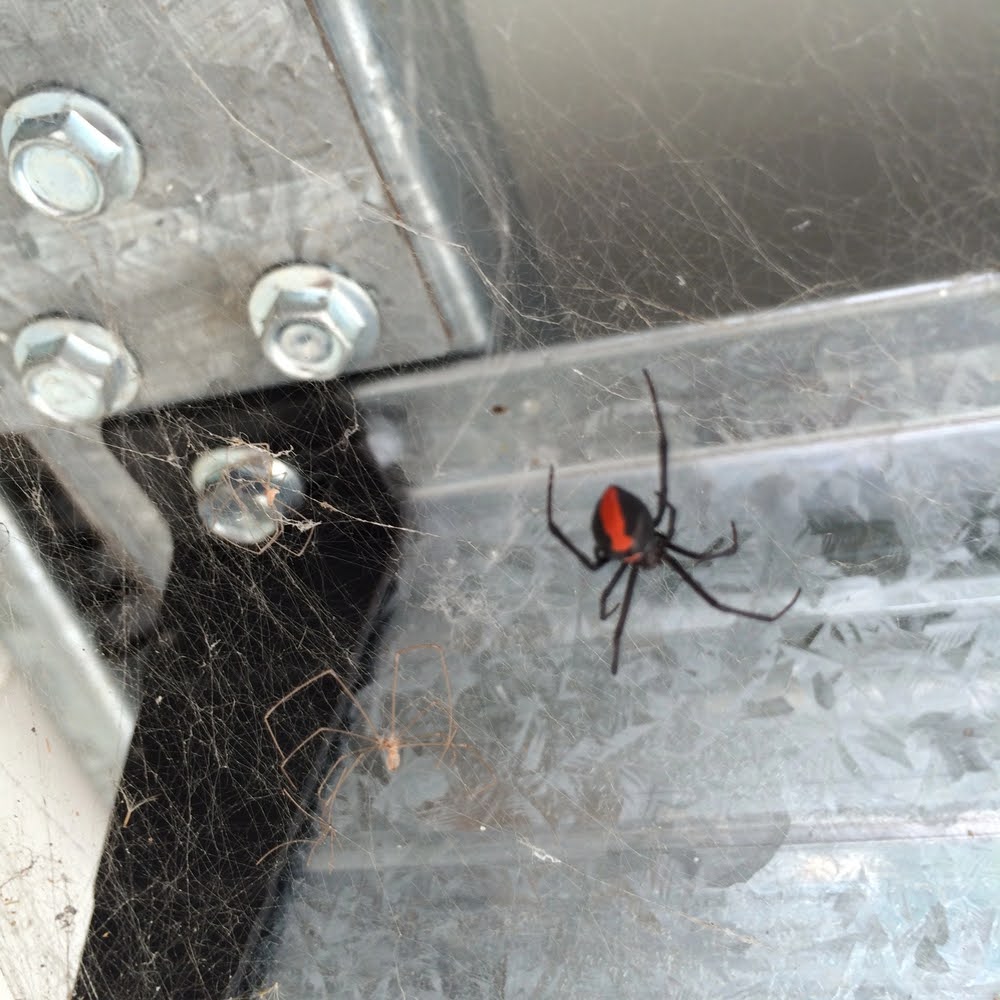
You’re relaxing on the couch when you spot it, a lone spider making its way across the ceiling. Or maybe you’ve noticed webs collecting in the corners of your garage. It’s a familiar sight, and never a welcome one.
While most spiders are harmless and even help keep other pests in check, having them show up around your home can be unsettling, especially when they seem to return no matter what you do. And when they keep coming back, it’s usually a sign that something in your environment is drawing them in.
The good news is that with the right strategy, you can remove spiders and keep them from returning. This guide walks you through exactly how to get rid of spiders, from understanding why spiders head indoors to simple, effective steps that help keep your home spider-free for good.
Identifying Common Household Spiders
Not all spiders pose the same concerns, so identifying the type helps you respond correctly.
- Common House Spiders are small, brownish, harmless spiders that build tangled webs in corners and windows, feeding on small insects.
- Cellar Spiders (daddy longlegs) have tiny bodies with long, thin legs and live in basements and garages. They are harmless to humans.
- Black Widows, found in Central California, are shiny black spiders with red hourglass marks. They prefer dark, undisturbed places like woodpiles and garages. Their bite can be medically serious.
About 2,600 black widow bites are reported annually in the U.S., but fatalities are extremely rare, with no deaths reported since 1983. Most bites occur when accidentally disturbed and generally require medical attention, especially for children and vulnerable individuals.
If you encounter multiple black widows or many spiders indoors, professional pest control is the safest and most effective option to manage the problem.
Why Spider Prevention Actually Matters
Beyond the obvious “ick” factor, understanding spiders helps you keep them out long-term.
Spiders aren’t randomly wandering into your home; they’re hunting. They follow other insects inside, searching for easy meals in dark, undisturbed corners. Once they find a reliable food source, they stick around.
In Central California’s hot summers, common house spiders, black widows, and cellar spiders actively seek cool, dark spaces. Your garage, basement, and closets look like prime real estate to them. When you know what attracts spiders, you can make your home less inviting with effective spider prevention tips.
Step 1: Remove the Spider’s Food Source (Other Insects)
Spiders are predators. If you have spiders, you have other bugs. Remove their food source, and the spiders lose their reason to stay.
Start by tackling other insect issues:
- Check for ants in the kitchen
- Look for flies around trash areas
- Spot small moths in the pantry
- Any of these pests can attract spiders
Improve kitchen and home hygiene to cut down insects:
- Keep counters wiped and floors swept
- Store food in sealed containers
- Take out garbage regularly
- Reduce crumbs and spills that draw bugs in
A cleaner home means fewer insects, and fewer insects means fewer spiders. This is one of the most effective spider removal methods that addresses the root cause.
Step 2: Eliminate Spider Hiding Spots
Here’s how to make your home less inviting to spiders by removing their favorite hiding spots:
Target cluttered, undisturbed areas first:
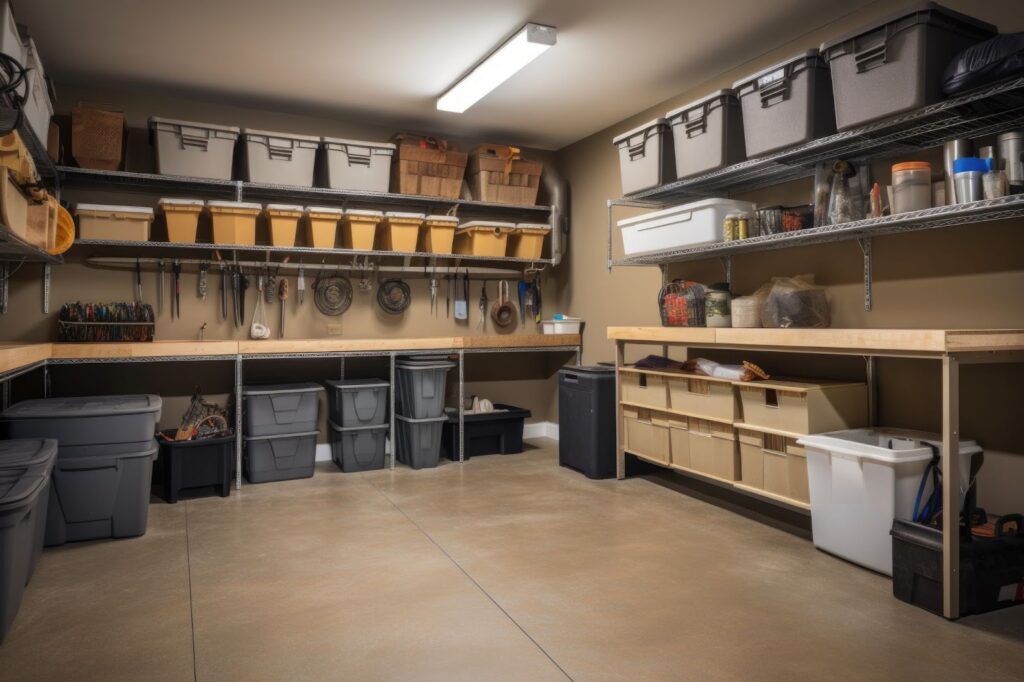
- Basements, garages, closets, and storage rooms are top spider zones
- Sort through stored items and declutter what you don’t need
- Move items away from walls to improve airflow and reduce dark corners
Improve the way you store items:
- Use sealed plastic bins instead of cardboard boxes
- Cardboard is easy for spiders to crawl into, while sealed plastic keeps them out
Address outdoor hiding spots near your home:
- Clear woodpiles, leaf litter, and debris along the foundation
- Keep firewood at least 20 feet from the house
- Trim bushes and vegetation so nothing touches the exterior walls
Reducing clutter indoors and outdoors removes the safe, quiet spaces spiders love, making your home far less appealing to them. These spider prevention tips create an environment spiders naturally avoid.
Step 3: Create Natural Barriers Spiders Avoid with Essential Oils for Spiders
Spiders are highly sensitive to certain smells that humans barely notice, making these natural spider repellents effective, chemical-free barriers that keep them away.
Best essential oils for repelling spiders:
- Peppermint
- Eucalyptus
- Tea tree
These oils overwhelm a spider’s senses and encourage them to stay away.
Apply repellents in the right places:
- Along windowsills
- Around door frames
- Along baseboards
- Anywhere you’ve seen spider activity
Targeting entry and travel paths makes repellents far more effective. Using essential oils for spiders is one of the safest ways to keep spiders away naturally without harsh chemicals.
How to Safely Vacuum and Remove Spider Webs and Egg Sacs
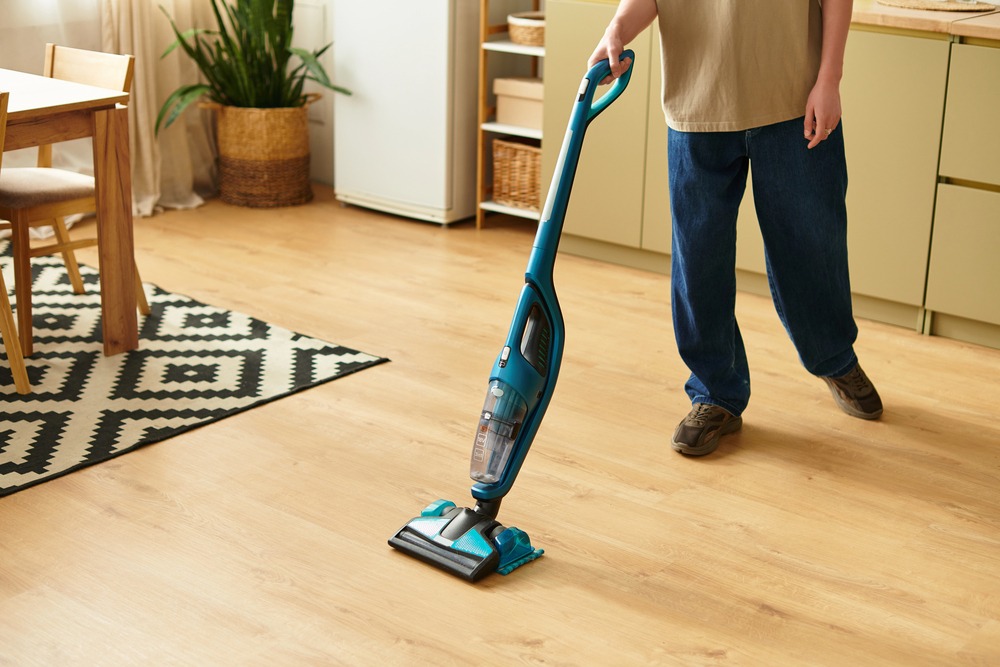
Your vacuum is one of the easiest and most effective spider removal methods. Regular vacuuming clears out spiders, webs, and egg sacs before they turn into bigger issues. Focus on ceiling corners, baseboards, and quiet areas like garages or basements, and remove webs as soon as you see them since they signal territory.
If you vacuum an egg sac, empty the canister or bag outside to prevent escape. Strong suction usually kills spiders, but sealed bag systems are the safest. Avoid vacuuming venomous spiders like black widows because it’s safer to call a professional or use long-handled tools to keep your distance.
With consistent vacuuming and a clean, clutter-free home, you significantly cut down spider activity and make your space far less inviting for them to return.
What People Get Wrong About Spider Control
Many homeowners make the mistake of killing individual spiders without addressing why they’re appearing in the first place. If food sources, clutter, or outdoor habitats remain, new spiders will simply replace the ones you remove.
Outdoor issues like overgrown shrubs touching the house, woodpiles near the foundation, or debris against exterior walls often go unnoticed but create ideal spider shelters. Indoors, garages, attics, and other rarely cleaned spaces commonly have gaps and cracks that allow spiders easy access if they aren’t sealed.
Another common oversight is not recognizing when DIY methods aren’t enough. If you’re dealing with venomous spiders like black widows or you’ve tried repeatedly without reducing spider activity, it’s time to call a professional. Experts can identify problem areas, apply targeted treatments, and provide long-term solutions when you need to know how to get rid of spiders permanently.
By fixing root causes, reducing outdoor hiding spots, sealing entry points, and knowing when to get help, you can stop the cycle of recurring spider problems.
Trusted Professional Solutions for Persistent Spider Problems
DIY methods handle most spider issues, but some situations call for a professional. If you’re seeing venomous spiders like black widows, constant spider activity that keeps coming back, hard-to-reach nests, an insect problem you can’t pinpoint, or multiple egg sacs, it’s time to get expert help. Professionals can reach hidden areas safely, use longer-lasting treatments, and eliminate the root cause.
RidX Pest Control has kept Central Valley homes spider-free for over 25 years. With our 100 percent guarantee, if spiders return, we return at no cost. You’ll talk directly with the owner, and every treatment is tailored to your home.
If the spiders are becoming too much to handle, reach out today. Get a quick, no-obligation quote within 10 minutes and take $25 off your first service when you call or book online to learn the best ways to keep spiders away naturally with professional support.
