
 | Proudly Serving the Central Valley | 24/7 On Call Service
You tap your baseboards and hear a hollow echo. Maybe you’ve noticed small piles of sawdust near your windowsills or mud tubes creeping up your foundation. However you found them, you’re facing every homeowner’s nightmare: termites.
The good news is termites can be eliminated permanently with the right professional treatment. The bad news? Most DIY remedies don’t work on active infestations, and every day you wait gives termites more time to damage your home’s structure.
This guide explains how to spot termites early, eliminate them effectively, and keep them from coming back. And if you live in Central California, pay close attention—our warm, dry climate makes homes in Fresno, Bakersfield, and Madera especially vulnerable.
Why Termites Are a Serious Problem in Central California
Termites aren’t just annoying—they’re destructive eating machines that work around the clock. A single colony can contain millions of termites, and they don’t take breaks. They’re munching away 24/7, which means they can compromise your home’s structural integrity within just a few months if left unchecked.
The really frustrating part? Termites often go completely undetected until they’ve already caused significant damage. They’re working inside your walls, under your floors, and in places you can’t easily see.
Central California’s Perfect Storm for Termite Activity
If you live in Fresno, Bakersfield, or Madera, you’re facing a higher termite risk than many other parts of the country. Our warm, dry climate is ideal for both subterranean and drywood termites. Those older homes with beautiful wood construction that give our neighborhoods so much character? Termites love them.
Add in our irrigation systems and landscaping designed to combat the Central Valley heat, and you’ve created moisture sources that attract termite colonies like magnets. The combination of our adobe and wood construction styles, plus year-round mild temperatures, means termites stay active when they’d be dormant in other regions.
What Waiting Will Cost You
Here’s the tough reality: termite damage typically isn’t covered by homeowners insurance. That means every dollar of repair comes straight out of your pocket. For moderate damage, you’re looking at $3,000 to $8,000 in repairs. Severe infestations can easily hit $20,000 or more once you factor in structural repairs, wall replacement, and fixing compromised support beams.
Early detection saves thousands. That’s not an exaggeration—it’s the difference between a $1,500 treatment and a $15,000 repair bill.
How to Spot Termites Early
The key to protecting your home is catching termites before they cause major damage. Here’s what to look for during your inspection.
Visual Signs of Termite Activity
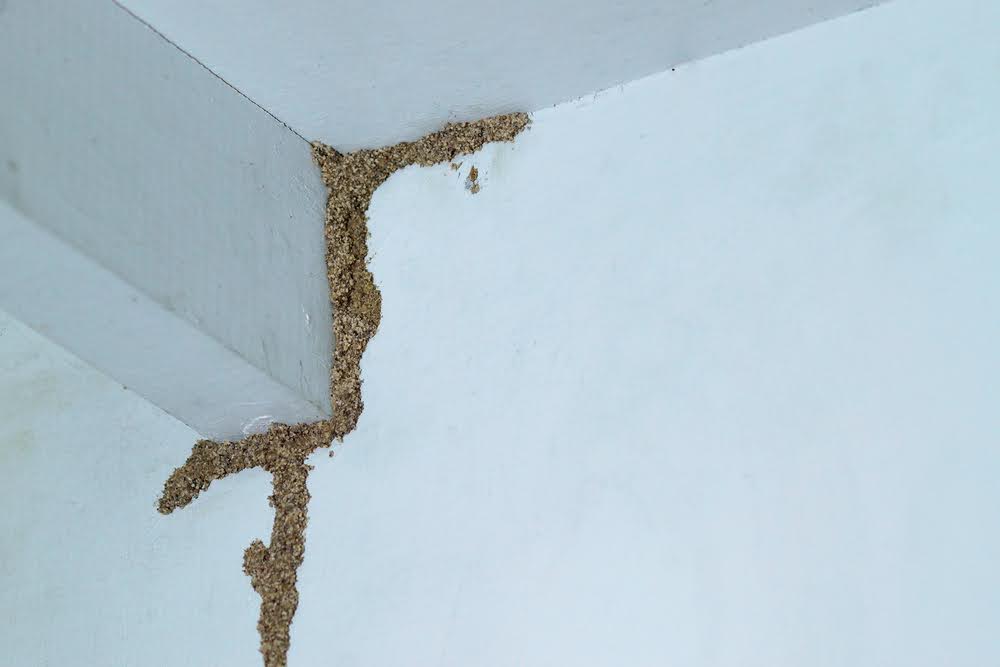
Mud tubes are often the first giveaway. These pencil-width tunnels run along your foundation, walls, or any surface connecting soil to wood. Termites build them as protective highways between their underground colonies and their food source (your house).
Discarded wings near windows, doors, or light sources signal that termites have swarmed. During mating season, reproductive termites fly off to start new colonies. After landing, they shed their wings, leaving behind evidence of their unwelcome arrival.
Tap on your baseboards, door frames, and other wood surfaces. If they sound hollow when they should sound solid, termites have likely eaten away the inside while leaving a thin outer shell.
Other warning signs include buckling or blistering paint that looks like water damage, small holes in drywall accompanied by tiny termite droppings (called frass), sagging floors, and doors or windows that suddenly won’t close properly.
Where to Check Your Central California Home
Start with your foundation and crawl spaces—these are prime entry points for subterranean termites. Pay special attention to areas with moisture like bathrooms, kitchens, and laundry rooms.
Look for any spots where wood makes direct contact with soil in your yard. Check your attic and roof eaves for drywood termite activity. Inspect woodpiles, tree stumps, or debris piles near your house, and examine areas around your irrigation system where moisture accumulates.
Seasonal Patterns to Watch
In the Central Valley, termite swarming season runs from March through May. You’ll see increased activity after rain, and summer irrigation creates ongoing moisture that attracts colonies throughout the warm months.
When to Call a Professional
Here’s the simple rule: if you spot ANY of these signs, don’t wait. That’s why working with a local, licensed termite specialist matters. A professional inspection costs nothing, but it can save you thousands by catching activity early and choosing the right treatment from the start.
Why DIY Termite Treatments Usually Fail
Hardware stores are full of termite products promising quick fixes. Unfortunately, most homeowners who try DIY treatments still end up calling professionals—after losing valuable time while the infestation spreads.
Store-bought sprays only kill termites you can see. They don’t reach the colony or the queen, which means the damage continues behind your walls. In some cases, surface treatments actually make the problem worse by forcing termites to relocate deeper into your home, where they’re harder to detect.
DIY products also create uneven coverage. Even small gaps are enough for termites to bypass treated areas and keep feeding.
Common DIY Methods That Don’t Work Long-Term
- Orange oil: Limited penetration; only affects termites in direct contact
- Boric acid: Requires ingestion, which is unreliable inside walls
- Vinegar & essential oils: No scientific evidence of effectiveness
- Cardboard traps: May catch a few termites, but won’t touch a colony
When DIY Might Make Sense
DIY treatment is only appropriate for rare, very localized drywood activity—or as a temporary measure while waiting for professional service. For any active or spreading infestation, skipping professional treatment usually costs more in the long run.
Termites live and operate as colonies, which means killing the ones you see doesn’t stop the ones you don’t.
Professional Termite Treatment Options
Professional termite elimination uses proven methods that actually work. Here’s what licensed exterminators use to get rid of termites permanently.
Liquid Termiticide Treatments
This method creates a chemical barrier around your home’s foundation that termites can’t cross. As they try to travel between their colony and your house, they contact the termiticide and carry it back to the colony, eventually eliminating the entire population.
Liquid treatments work best for subterranean termites, which are the most common type in Central California. The process involves trenching around your home’s perimeter and applying professional-grade termiticide. When done correctly, this protection lasts five years or longer, and effectiveness rates exceed 95%.
Termite Bait Station Systems
Bait stations are installed around your property at strategic points where termites are likely to forage. The stations contain bait that termites find attractive. They feed on it and carry it back to share with the colony, including the queen.
This method works well for ongoing monitoring and prevention. It’s less invasive than liquid treatments, and eco-friendly options are available for homeowners who prefer greener solutions. Complete colony elimination typically takes three to six months, and RidX technicians regularly check and monitor the stations to ensure effectiveness.
Fumigation (Tenting)
For severe drywood termite infestations, fumigation might be necessary. Your entire home gets sealed with a tent and filled with gas that penetrates every crack and crevice, eliminating termites throughout the structure.
The process takes 24 to 72 hours, and results are immediate. You’ll need to vacate your home temporarily, but fumigation is sometimes the only way to completely eliminate widespread drywood termite damage. It’s typically recommended when other treatment methods won’t reach all the affected areas.
Wood Treatment and Spot Treatments
These involve direct application of termiticide to infested wood. They work well for localized drywood termite activity and kill visible termites immediately. However, spot treatments don’t protect against future infestations, so they’re often combined with other prevention methods for comprehensive protection.
What RidX Recommends for Central California Homes
Every home is different, which is why we start with a thorough inspection to identify the termite type and extent of infestation. Based on your home’s age, construction type, and the severity of the problem, we’ll create a customized treatment plan.
Many situations benefit from combination approaches that provide comprehensive protection. We offer flexible service options, including one-time treatments for active infestations or ongoing monitoring programs for long-term prevention. You’ll get transparent pricing and a clear timeline before any work begins.
The Professional Termite Elimination Process
Here’s exactly what happens when you call RidX for termite treatment.
Step 1: Comprehensive Inspection (30-60 minutes)
A licensed RidX technician examines both the interior and exterior of your home. We check crawl spaces, attics, and foundation areas using moisture meters and professional inspection tools. Our goal is to identify the termite type, locate colony activity, and assess the extent of any existing damage.
This inspection is thorough because we need to understand the complete picture before recommending treatment.
Step 2: Customized Treatment Plan
After the inspection, you’ll receive transparent pricing and a realistic timeline. We explain your treatment options in plain language—no confusing jargon or technical terms. The plan considers your schedule, your family’s needs, and any specific concerns you have.
Organic treatment options are available if you prefer them. And here’s something that sets RidX apart: you get your quote within 10 minutes. No waiting days for someone to call you back.
Step 3: Treatment Application
We schedule treatment at your convenience, including weekends if that works better for you. Most treatments take two to four hours depending on the method used. Your family’s safety and your pets’ well-being are our top priorities throughout the process.
The work causes minimal disruption to your daily routine. We’ll provide clear instructions for any preparation you need to do beforehand, and we’ll answer any questions you have before, during, or after treatment.
Step 4: Follow-Up Monitoring
This is where RidX’s 100% guarantee becomes important. If termites return after treatment, we come back for free—no questions asked, no additional charges. We also offer optional ongoing monitoring programs to catch any future activity early.
Annual inspections are recommended even after successful treatment. These inspections help maintain termite-free status and provide documentation that’s valuable for real estate transactions if you ever sell your home.
What Sets RidX Apart
When you call RidX, you talk to the owner every time. Not a call center, not a receptionist reading from a script—the actual owner who cares about protecting your home. We’ve been protecting Central California homes for 25 years, and we’re top-rated on Google by local homeowners who trust us with their biggest investment.
We offer flexible scheduling because we know you’re busy. Our technicians are licensed and certified, and they treat your home like they’d treat their own.
How to Prevent Termites from Coming Back
Getting rid of termites is step one. Keeping them away requires ongoing attention to the conditions that attract them in the first place.
Eliminate Moisture Sources
Termites need water to survive, so reducing moisture around your home is crucial. Fix leaky faucets, pipes, and AC units as soon as you notice them. Ensure your property has proper drainage that directs water away from your foundation.
Use dehumidifiers in crawl spaces where moisture tends to accumulate. Divert downspouts at least three feet from your house, and repair any roof leaks promptly before they create ongoing moisture problems.
Remove Wood-to-Soil Contact
Keep firewood at least 20 feet from your house, elevated off the ground on a rack. Remove tree stumps, dead roots, and wood debris from your yard—these attract termite colonies that can eventually spread to your home.
Maintain a six-inch gap between soil and any wood siding. When building new structures or replacing supports, use concrete or metal posts instead of wood wherever possible.
Reduce Termite Entry Points
Seal cracks in your foundation with caulk. Install screens on vents to prevent termite entry. Repair damaged weather stripping around doors and windows, and fill gaps around utility lines where they enter your home. Address any existing wood damage promptly before it attracts more termites.
Smart Landscaping Choices
Avoid placing mulch directly against your foundation—use gravel or rock instead. Trim shrubs and trees so they don’t touch your house. Don’t overwater areas near your foundation, even during hot Central Valley summers. Consider planting termite-resistant plants in beds close to your home.
Regular Inspections Are Key
Schedule annual professional inspections to catch problems early. Between professional visits, check your property quarterly for warning signs. Document your inspections with photos so you can compare and spot changes over time.
RidX offers affordable ongoing prevention plans that include regular monitoring. Catching a new infestation early saves you thousands compared to discovering major damage years later.
Common Termite Mistakes Central California Homeowners Make
Learning from others’ mistakes can save you time, money, and stress.
Waiting Too Long
Hoping the problem resolves itself is the most expensive mistake homeowners make. Every delay gives termites more time to compromise your home’s structure—and the damage isn’t covered by insurance.
Choosing the Cheapest Option
Unlicensed or inexperienced providers often use ineffective or outdated methods. Without a guarantee, homeowners end up paying twice. With termites, cheap solutions usually become expensive ones.
Ignoring Prevention After Treatment
Treatment alone isn’t enough. Moisture control, wood-to-soil separation, and regular inspections are critical to keeping termites from returning—especially in Central California’s climate.
Trying DIY First
DIY attempts waste time and can spread infestations into harder-to-reach areas. In some cases, they also complicate professional treatment and delay full colony elimination.
Protect Your Home Before Termites Cause Major Damage
Termites don’t wait, and in Central California’s warm climate, they stay active year-round. The earlier you catch them, the easier—and far less expensive—it is to stop the damage. Once a colony is established, professional treatment is the only reliable way to eliminate it completely and protect your home’s structure long-term.
If you’ve seen mud tubes, discarded wings, hollow-sounding wood, or fine dust near windows and baseboards, don’t ignore it. DIY treatments won’t reach the colony, and delays only increase repair costs. A professional inspection gives you clarity, peace of mind, and a clear plan forward.
RidX Pest Control makes taking action easy. We offer free, no-obligation termite inspections for homeowners in Fresno, Bakersfield, and Madera, with transparent pricing and a 100% guarantee—if termites come back, so do we. Contact us today or book online to protect your home before termites cause serious damage.
