
 | Proudly Serving the Central Valley | 24/7 On Call Service
A delivery arrives late, the back door stays open while boxes come in, and a bag of dry goods waits on the floor until the dinner rush slows down. None of that seems unusual during a busy shift. Together, though, small habits like these can make a commercial kitchen easier for pests to enter and harder for staff to monitor.
Restaurant pest control works best when the kitchen team and pest professional each know their responsibilities. Waiting until a customer spots a roach is not a prevention plan. For restaurants in Fresno, Madera and Bakersfield, it helps to build simple inspections into opening, receiving, closing and maintenance routines.
A Quick Checklist for Each Shift
- Opening: Look for pest evidence around storage, equipment and doors; record any finding before food preparation starts.
- Deliveries: Check packaging, report damaged goods or pest evidence, and move accepted stock into suitable storage.
- During service: Wipe up spills, report leaks and keep exterior doors closed when they are not in use.
- Closing: Store food, remove waste, clean work areas and log any repairs or follow-up the manager needs to arrange.
Why Restaurant Pest Control Is Different From Home Service
Restaurants have steady deliveries, food storage, warm equipment, trash areas and frequent traffic through back doors. A single treatment visit cannot substitute for the daily sanitation and building maintenance needed to limit pest access.
The FDA Food Code is a model used by food-safety regulators. California restaurants follow applicable state and local requirements, including the California Retail Food Code. A pest provider can support your prevention plan, but the operator remains responsible for the facility.
Check Deliveries Before They Reach Storage
Boxes, pallets and produce crates may arrive from several suppliers in a day. Train receiving staff to look for damaged packaging, insect activity, droppings or unusual odors before products enter the kitchen.
Keep receiving areas organized so employees can see the floor and wall edges. Move stock into appropriate storage promptly and document suspicious deliveries. A problem that arrives in a carton can spread before it is noticed if every box is simply stacked in the back room.
Keep Dry Storage Easy to Inspect
Crowded shelves and items resting directly against walls create blind spots. Organize dry goods so staff can inspect behind inventory and clean the area without dismantling an entire room.
Use suitable sealed containers where appropriate, rotate stock and remove spilled ingredients quickly. Look for gnawed packaging, droppings and damaged bags. These signs warrant investigation even when no live pest is visible.
Pay Attention to Drains and Moisture
Leaky plumbing and wet floor areas can create conditions that support pest activity. Check around sinks, dishwashing equipment, mop sinks and floor drains for recurring moisture or debris.
A pest provider may identify activity near these areas, but fixing a leaking drain or damaged fixture is building maintenance work. Coordinate repairs instead of relying on repeated treatment around the same moisture source.
Review Exterior Doors and Delivery Entrances
An exterior door that cannot close fully can provide a route into the building. Door sweeps, weatherstripping, screens and self-closing mechanisms deserve routine checks where applicable.
During large deliveries, establish a process for limiting how long doors remain open. Inspect loading areas for spills, overflowing bins and signs of pest movement. A well-managed perimeter helps reduce pressure on the kitchen itself.
Waste and Recycling Areas Are Part of the Plan
Even a tidy dining room can have an overflowing dumpster area behind the building. Keep lids closed, clear food debris from surrounding pavement and schedule regular collection.
Check whether bins are positioned where employees can use them without propping doors open. Clean grease and food residues according to the facility’s sanitation plan. Keep records of recurring problems so management can coordinate with waste contractors or property owners.
What Staff Should Do When They Find a Pest
Create a clear reporting system that does not depend on an employee remembering to tell the manager at the end of a shift. Record the date, location, type of evidence and any immediate sanitation or maintenance issue.
Do not ask food-service staff to apply pesticides casually around food or food-contact surfaces. Chemical use must follow label directions, licensing rules when applicable and the plan established with the pest professional. Protect food, equipment and staff while a problem is assessed.
What Does a Professional Restaurant Pest Control Visit Include?
A useful commercial pest control visit reviews staff reports, inspects likely activity areas and checks whether previous recommendations were completed. For recurring roach activity, ask how the roach pest control plan addresses identification, monitoring and sanitation. Treatment or exclusion measures may also be appropriate.
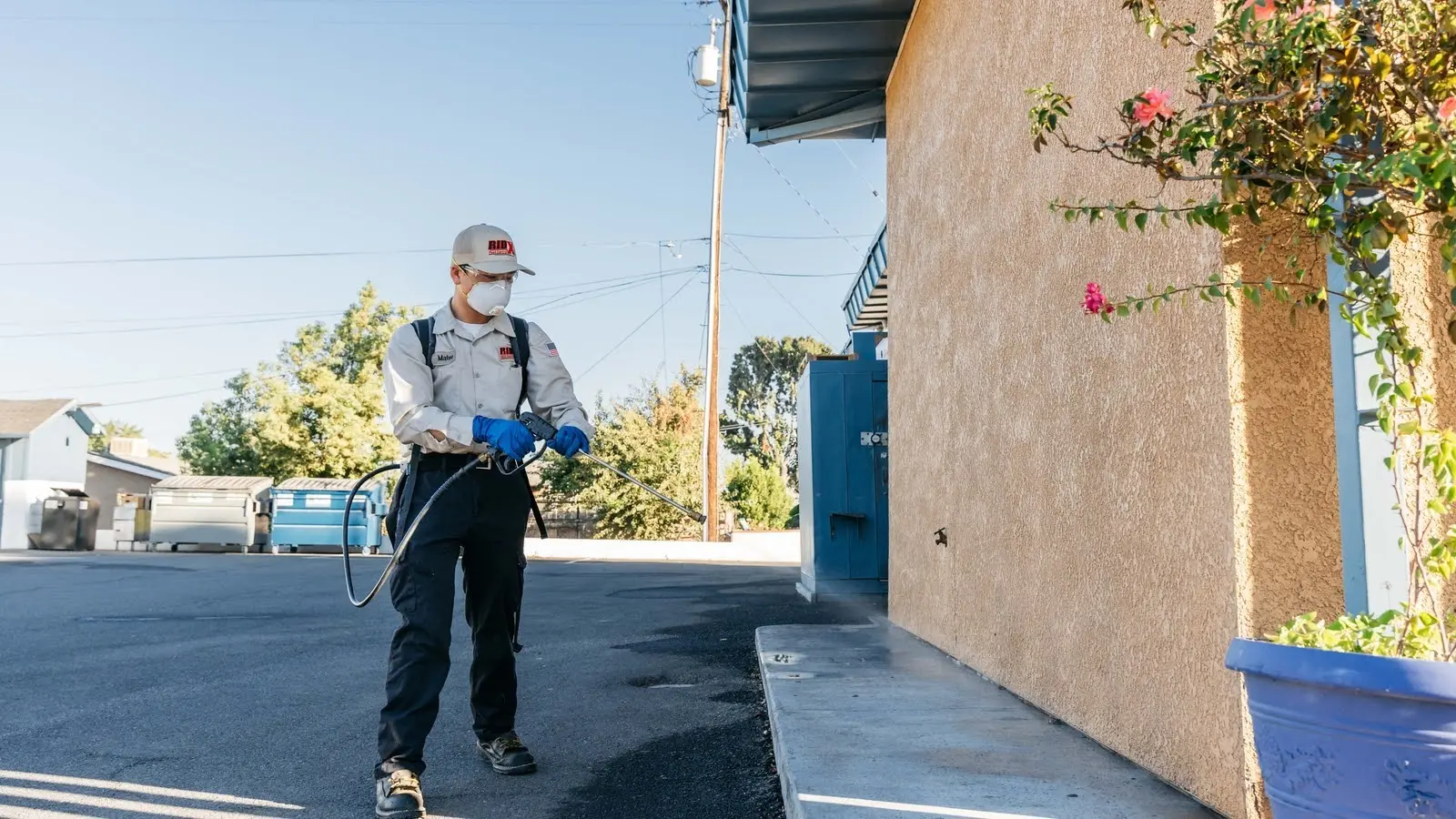
RidX Pest Control lists dedicated restaurant pest control and other commercial pest services for Central Valley businesses. Ask what the proposed service includes, how findings are documented, whether follow-up is needed and which areas the technician will need to access.
Keep a Pest Log That Helps the Next Inspection
A pest log does not have to become a huge binder. Keep dated service reports, employee sightings, sanitation concerns, corrective actions and receipts for building repairs in one accessible place.
Look for repeated problems by location. If activity appears near the same rear door or drain over several visits, the history can help the pest technician investigate the underlying condition rather than repeating the same response.
How Often Should a Restaurant Schedule Pest Control?
There is no single appointment frequency that suits every kitchen. The right plan depends on the building, food handling, pest history, season, sanitation, monitoring results and any applicable requirements.
A small café with little prior activity may need a different strategy from a high-volume restaurant with an active loading dock. Ask for a risk-based service schedule and a process for requesting help between routine visits.
Before the Closing Team Leaves
At the end of the day, ensure that exposed food is properly stored, waste is removed, surfaces are cleaned and equipment areas are checked according to the kitchen’s policies. Verify that exterior doors close and that maintenance issues are reported.
The goal is consistency, not another complicated checklist no one uses. A few reliable steps performed each shift give managers and the pest provider better information than occasional deep cleaning alone.
FAQ
Do restaurants need regular pest control?
Food facilities need to prevent and address pest activity under applicable food safety requirements. The appropriate service schedule depends on the risks at the property and local rules.
What are common signs of pests in a restaurant?
Live insects, droppings, gnawed packaging, damaged stored products and recurring activity near drains or doors can all warrant investigation.
Can staff use household bug spray in a kitchen?
Staff should not improvise pesticide use around food or food-contact surfaces. Follow product labels, applicable rules and the restaurant’s established pest management procedures.
Does cleaning alone eliminate roaches or rodents?
Sanitation helps reduce food and shelter, but pests can also enter through building openings or arrive with products. Inspection, exclusion and appropriate control may still be necessary.
What should be included in restaurant pest control records?
Keep service reports, activity logs, maintenance actions and follow-up dates so the team can see patterns and address recurring conditions.
Does RidX provide restaurant pest control near Fresno?
RidX advertises restaurant and commercial pest control for the Central Valley, including Fresno, Madera and Bakersfield. Contact the team to discuss your particular facility.
Protect the Kitchen Before a Pest Issue Grows
Restaurant pest control is a combination of professional inspection, prevention, staff habits and prompt repairs. It supports better food-handling conditions and helps owners address problems before they become larger disruptions.
RidX Pest Control serves restaurants and businesses in Fresno, Madera and Bakersfield. Review its commercial pest services and request an inspection to discuss the building, operating hours, and the areas where your team has noticed activity.
