
 | Proudly Serving the Central Valley | 24/7 On Call Service
Knowing when to call an exterminator for termites can save you thousands in repairs and months of stress. Termites work quietly, and by the time damage is obvious, they have often been active for years.
This guide explains the key warning signs, what a termite inspection service actually involves, when to schedule a pest control inspection, and how professional help compares with DIY checks.
Critical Warning Signs You Should Never Ignore
This section walks through the main signs that mean you should stop watching and call an exterminator for termites straight away.
Mud tubes on foundations or walls
Mud tubes are one of the clearest indicators of subterranean termites.
- They appear as pencil-thin tunnels on foundations, walls, or inside crawl spaces.
- Tubes often run from the soil up to wooden structures.
- Break one open and you may see pale worker termites inside.
- If the tube is rebuilt within a few days, activity is active and ongoing.
Mud tubes = urgent need for a professional termite inspection.
Swarmers and Discarded Wings
Swarmers are winged termites that emerge to start new colonies.
- You may see them near windows, doors, or indoor lights.
- Small piles of discarded wings on floors or sills indicate a mature colony nearby.
Because swarmers appear only after a colony has been active for years, this is a late-stage warning sign that requires immediate action.
Hollow or Soft Wood
Termites often eat wood from the inside out, leaving only a thin surface layer.
- Tap baseboards, door frames, or window sills. Hollow or dull sounds point to internal damage.
- Wood that gives way under light pressure or allows a tool to sink in is a major red flag.
If wood feels soft where it should be solid, schedule a professional termite inspection right away.
Frass (termite droppings)
Drywood termites push out small, hard pellets called frass.
- Looks like coffee grounds or fine sawdust.
- Often found below tiny holes in wood.
- Fresh frass means termites are currently active and chewing.
Finding frass means you should arrange an inspection as soon as possible.
Bubbling Paint and Warped Surfaces
Termites can cause moisture to build behind walls and trim.
Warning signs include:
- Bubbling or blistering paint
- Warped baseboards
- Sagging drywall
- Gaps between trim and walls
If there is no plumbing leak but you see moisture-like damage, termites may be tunneling just behind the surface.
Clicking or Tapping Sounds in Walls
Some homeowners report faint clicking or tapping sounds inside walls.
- Soldier termites sometimes bang their heads to signal danger or communicate within the colony.
- These sounds are subtle but noticeable when the house is quiet.
When combined with other indicators, these noises are another reason to call a termite inspection service without delay.
What a Professional Inspection Actually Involves
If you have never booked a pest control inspection before, it helps to understand what happens during the visit and what to expect throughout the inspection.
Exterior inspection
The inspector starts outside. They will check your foundations, soil, slab edges, and any wood that touches the ground. They look for mud tubes, damaged timbers, cracks, gaps around pipes and areas where moisture collects, such as near air conditioning units, downpipes, and irrigation.
Interior inspection
Inside the home, the inspector examines skirting boards, door frames, window sills, cupboards, loft spaces, basements, and any accessible crawl spaces. They tap wood, look for hollow areas, check around bathrooms and kitchens for moisture, and inspect garages and storage rooms where termites can remain hidden.
Use of detection tools
Professional termite inspection companies use tools that most homeowners do not have. These can include moisture meters to find damp areas, thermal imaging to pick up temperature changes, and small cameras to look into tight spaces. These tools help find hidden activity before damage becomes obvious.
Clear written report
After a pest control termite inspection, you receive a written report. This usually includes findings, photos of where activity or damage was seen, recommended treatments, estimated costs, and any formal reports needed for lending or real estate purposes. You will know exactly what was found and what needs to happen next.
When You Should Schedule an Inspection
You do not need to wait for major damage before booking a termite inspection service. These are the most important times to act.
When you see visible signs
Mud tubes, swarmers, frass, soft wood, or unexplained structural changes mean you should call a professional the same day or as soon as possible. Termites do not stop on their own, and damage can progress quickly.
When buying or selling a home
Most lenders and many buyers expect a recent termite report before a sale is completed. A professional pest control inspection protects both sides, confirms the current condition, and highlights any treatment that is needed before contracts are signed.
At the start of termite season
In many areas, termite activity increases in spring and summer, especially after rain. Booking a preventative termite inspection service early in the season helps catch problems before swarmers appear or damage spreads.
Once a year in higher-risk situations
Annual inspections are a smart idea if you live in Central California, have an older home, have had termites before, notice moisture issues, or know that neighbors have had infestations. Yearly checks are often enough to find and treat activity before it becomes serious.
When a neighbour has termites
Subterranean termites can travel through soil for long distances. If a neighbor is having termite treatment, that is a strong reason to arrange a pest control termite inspection for your own home and confirm that your structure is still clear.
What to Expect During Your Inspection
Understanding what happens on the day helps you prepare and feel more comfortable with the process.
Licensed and trained inspectors
In California, termite inspectors must hold the correct license and training. They know how to identify termite species, assess damage, and choose suitable treatments. With a qualified inspector, you can trust the findings.
Time and access
Most standard home inspections take around 30 to 90 minutes, depending on property size and how easy it is to access key areas. Inspectors move around the outside first, then indoors, checking each room and accessible space in a methodical way.
Minimal disruption
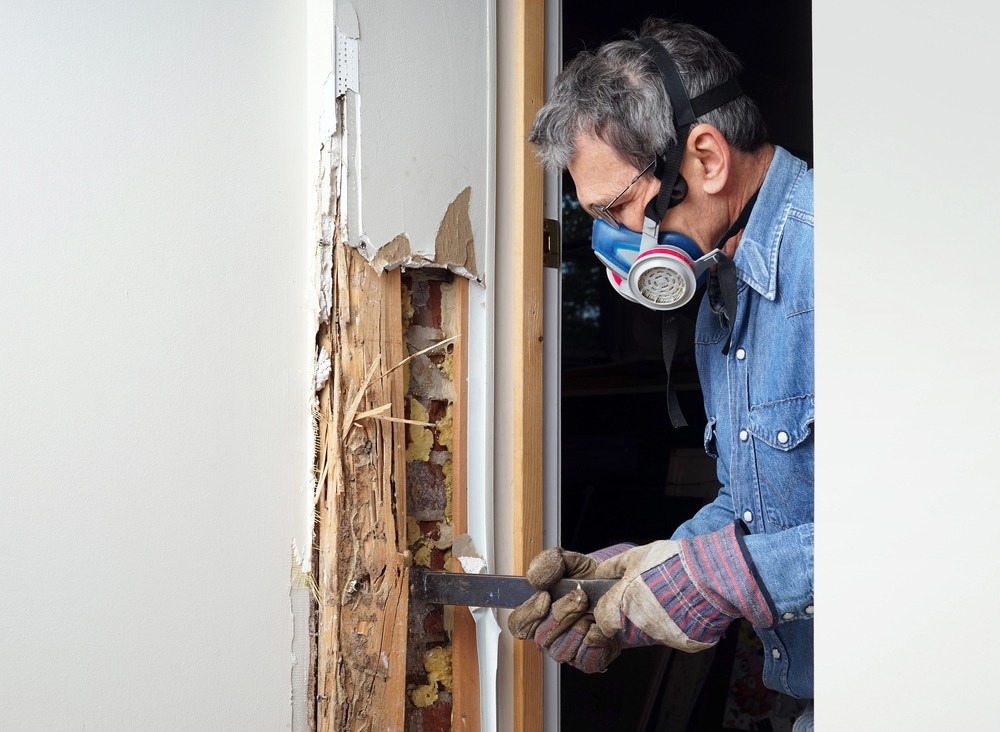
A pest control inspection should not damage your home. Inspectors may gently tap or probe wood, but they do not knock down walls or carry out demolition during a standard visit.
Cost and value
Typical costs range from a modest fee for a basic inspection to more if a formal report is needed for a mortgage or legal process. Many companies reduce or waive the inspection cost if you go ahead with their recommended treatment. In all cases, the cost is small compared with the price of repairing termite damage.
Why DIY Inspection and Treatment Fall Short
It can be tempting to look for termites yourself or to try over-the-counter products first, but there are clear limits to what DIY can achieve.
Limits of DIY inspection
Homeowners tend to check what they can see, such as skirting boards, sheds, and garden structures. Termites often hide in walls, under floors, in lofts, and in soil around foundations. Without training and tools, it is easy to miss most of the activity.
Limits of DIY treatment
Shop products usually treat only the surface and do not reach the main colony underground or hidden in timber. There are different kinds of treatment available, but with DIY products, you often only kill the termites you can see, while the majority remain active and continue to cause damage.
Why professionals are more effective
Professional teams use specialized products and methods such as liquid soil treatments, foam in voids, and bait systems that target entire colonies. They also offer warranties, so if termites return within the covered period, they come back to treat again at no extra cost. This level of control is hard to match with DIY effort.
When you must call a professional
You should always call a professional if damage affects more than a small, isolated area, if support beams or structural timbers are involved, if DIY attempts have failed, or if you are dealing with drywood termites that may require fumigation. In these cases, delay can be very expensive.
Protecting Your Home After Inspection and Treatment
After a termite inspection service and any necessary treatment, you still have an important role in prevention.
Control moisture
Fix leaks, clear gutters, improve drainage away from your foundation, and avoid constant watering next to the house. Termites need moisture, and a drier perimeter is much less attractive to them.
Seal gaps and cracks
Seal cracks in foundations, gaps around pipes and cables, and damaged siding. Close-fitting doors and windows also help reduce entry points.
Manage wood around your home
Keep firewood, timber, and mulch away from the house. Maintain a gap between soil and wooden siding, and avoid direct wood-to-ground contact where possible.
Use monitoring systems
In many cases, installing termite bait around the perimeter provides early warning of new activity. Regular monitoring, often as part of a service contract, gives you continued peace of mind and a fast response if termites return.
Keep up with follow-up inspections
After treatment, schedule a follow-up inspection within a few months to confirm success, then continue with yearly checks. This pattern keeps your protection up-to-date.

Don’t Wait Until the Damage Is Done
Termites are silent, but their damage is not. Once you see mud tubes, swarmers, hollow timber, or unexplained structural problems, the clock is already ticking. Booking a professional termite inspection service quickly often means simpler, cheaper treatment and less damage overall.
At RidX, we have protected Fresno homes from termites for 25 years with thorough inspections and proven treatments. We will examine your property, explain any termite activity in plain language, and recommend the most effective way to protect your home.
Call us now or book online, and let us help you keep termites out for good.
Frequently Asked Questions:
How often should I get a termite inspection?
Once a year is a good rule in higher-risk regions such as Central California or in older homes. You should also book an inspection before buying or selling a property and any time you notice warning signs.
What does a termite inspection cost?
Standard residential inspections usually sit in a modest price range, with more formal reports for property transactions costing a little more. Given the cost of repairs, even a paid inspection is a low-cost way to protect your home.
Can I do my own termite inspection?
You can look for obvious mud tubes, frass, damage, and swarmers between professional visits. However, this should not replace an annual pest control termite inspection, as professionals find far more hidden issues than visual DIY checks.
